

gap warranty insurance decoded for smarter car ownership

What "gap warranty insurance" usually means

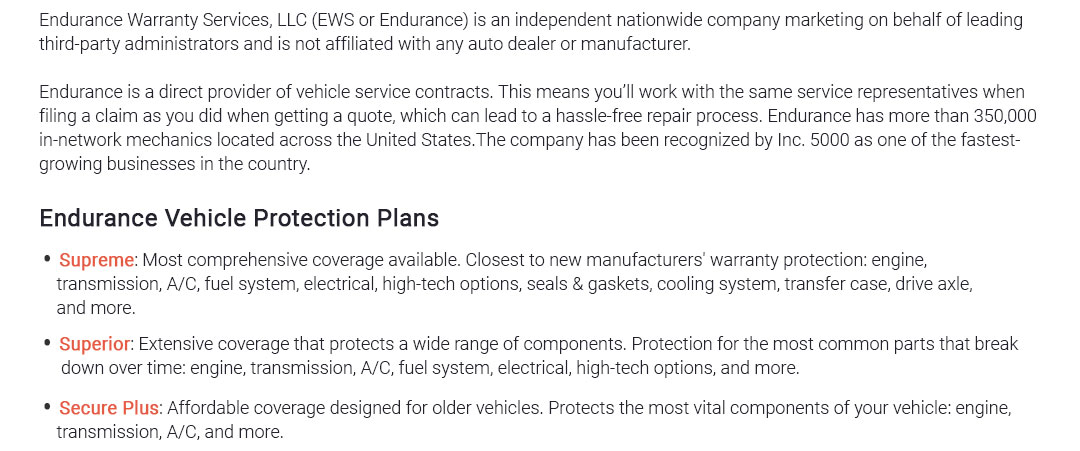
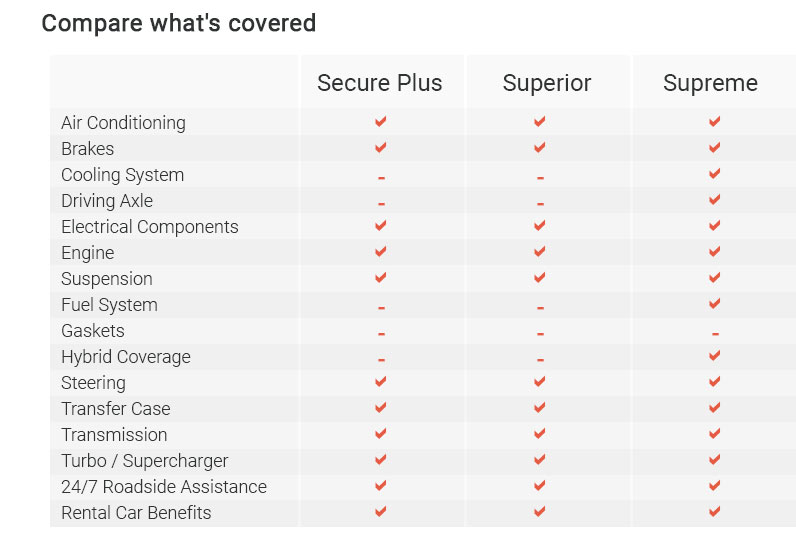
People often mash two products together. GAP insurance pays the difference between your car's loan/lease payoff and its actual cash value if the vehicle is totaled or stolen. Warranty insurance (a vehicle service contract or mechanical breakdown policy) helps cover certain repair bills after the factory warranty. Dealers sometimes bundle them, and that bundle is what many call gap warranty insurance.

Where it actually fits

  • New or nearly new car with a small down payment: Depreciation is front-loaded; GAP can protect against negative equity early on.
  • Long loan terms (60 - 84 months): You may owe more than the car is worth for longer.
  • High daily mileage or out-of-warranty risk: A service contract can smooth out repair volatility, especially if you plan to keep the car beyond the bumper-to-bumper period.
  • Leases: GAP is often included, but verify; warranty coverage varies by lessor.

A quick road moment

Last winter, I slid on black ice leaving a late shift. The car was totaled. Insurance valued it lower than my payoff by a few thousand. GAP covered the shortfall; without it I would've been paying for a car I couldn't drive.

Is it worth the premium?

Run the numbers, not the hype. Example: You finance $34,000 on a car worth $34,000, put 5% down, and choose a 72-month term. After month three, the car's value might be ~$30,500 while your payoff could still be ~$32,400. That's a potential gap of ~$1,900. If GAP costs $300 - $600 (paid upfront, ideally not financed), it may pencil out. Warranty value depends on your risk tolerance and repair history more than sticker price.

  • Stronger case for GAP: low down payment, long term, models with steep depreciation, thin emergency fund.
  • Stronger case for warranty: you'll keep the car past factory coverage, parts/labor are pricey, you prefer predictable costs.

How to choose and avoid traps

  1. Check overlaps first: Some auto policies include new car replacement or loan/lease payoff endorsements that reduce the need for standalone GAP.
  2. Request sample contracts: Read coverage, exclusions, labor rates, diagnostic time, and claim caps.
  3. Price it three ways: dealer, your auto insurer, and a third-party provider. Compare total cost if financed vs paid upfront.
  4. Run a depreciation snapshot: Look up trade-in values for months 3, 12, and 24 to estimate gap risk.
  5. Confirm cancellation/refunds: Pro-rata refunds for GAP and transferability for a service contract can add resale value.
  • Pitfall: Rolling premiums into the car loan increases cost via interest.
  • Pitfall: Wear-and-tear, maintenance items, and pre-existing conditions are usually excluded under warranties.
  • Pitfall: Some GAP policies won't pay if you're behind on payments or if you decline comprehensive/collision coverage.

Overlaps and alternatives

  • Bigger down payment or shorter term: Shrinks the gap naturally.
  • Emergency fund: May make you comfortable skipping warranty coverage.
  • Certified pre-owned (CPO): Often extends manufacturer warranty; a third-party plan may be redundant.
  • Auto insurer endorsements: "Loan/lease payoff" or "new car replacement" can partially mimic GAP.

Pragmatic caveats

  • GAP pays only on a total loss or theft and only the difference after your primary insurer's payout - no repairs, no negative equity carried from a prior trade unless included.
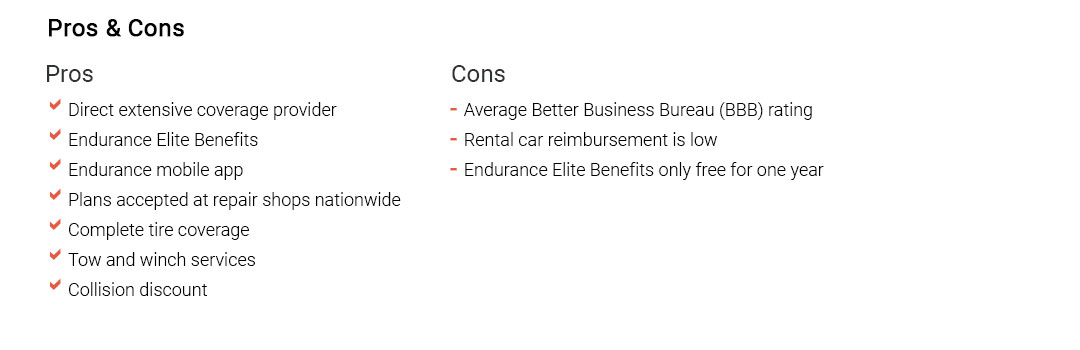
  • Warranty claims may require prior authorization, dealership or network shops, and maintenance records; daily rental and diagnostic limits are common.
  • Small print matters: per-visit deductibles, maximum payout per component, and aggregate caps can trim real-world value.

Bottom-line check

  • Yes to GAP if your projected negative equity in year one exceeds the premium and you can't comfortably cover that risk.
  • Yes to a warranty if expected post-warranty repairs likely beat the premium plus deductibles, and you want budget stability.
  • Skip or delay if your loan-to-value is low, you keep comprehensive records and can self-insure, or existing coverage already overlaps.

Small, practical condition: run the total cost of ownership with and without these add-ons for your specific car and mileage; if the math is close, favor flexibility - buy GAP standalone (not financed) and hold off on a service contract until just before factory coverage ends.

https://www.warrantysolutions.co/products/guaranteed-asset-protection/
If you vehicle is in an accident or stolen and considered a total loss by your insurer, the GAP program covers the difference between what you owe and the ...

https://www.firstmilewarranty.com/products/guaranteed-asset-protection-gap/
GAP waives the difference between what you owe on your vehicle and what your insurance company will pay*. In the unfortunate event your vehicle is declared a ...

https://www.mycvcu.org/news/gap-warranty-payment-protection-what-does-it-all-mean
Guaranteed Auto Protection, or GAP, can fill the gap between what your insurance will pay and what you owe on your loan, if you have an accident and your ...


atwratnwm
4.9 stars -1330 reviews